01

10playing now24h peak 16
+6
24h
3.3kfavorites
2.4kupvotes
81%Terry score

s&box games list
Browse live s&box games by current players, 24h momentum, updates, votes, and Terry Score.
Developing an s&box game?View your game’s analytics

A worms-inspired artillery game with randomly generated levels.
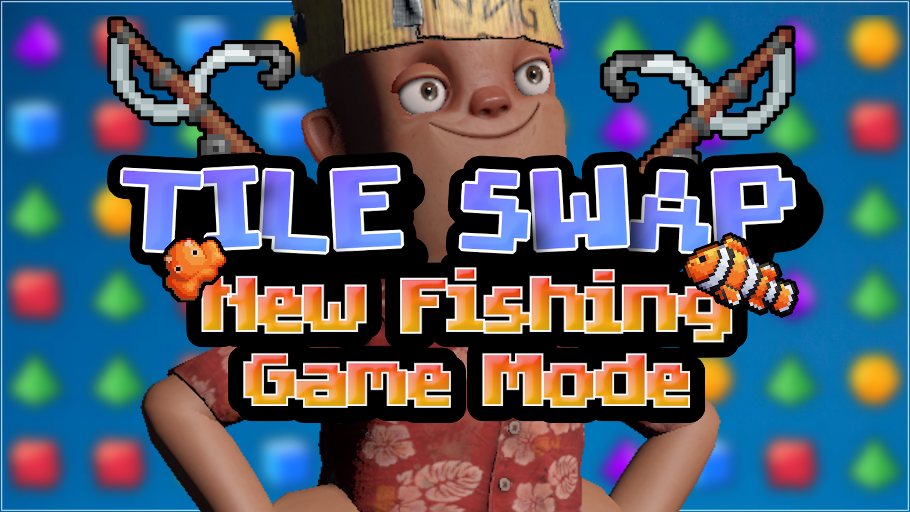
Do you love playing match 3 games? Ever wish the game could keep playing even when you’re away? We’ve got great news for you!

Throw yourself down a pit to break as many bones as possible


A top down arcade racer to play with your friends, or by yourself.

Fight for territory across the map in fast-paced gang fights. Claim a home, lock the doors, build out your base .

Grow your snake, dodge the others, and survive as long as you can.

A clicker with elements of nation building and strategy. [EARLY BUILD]
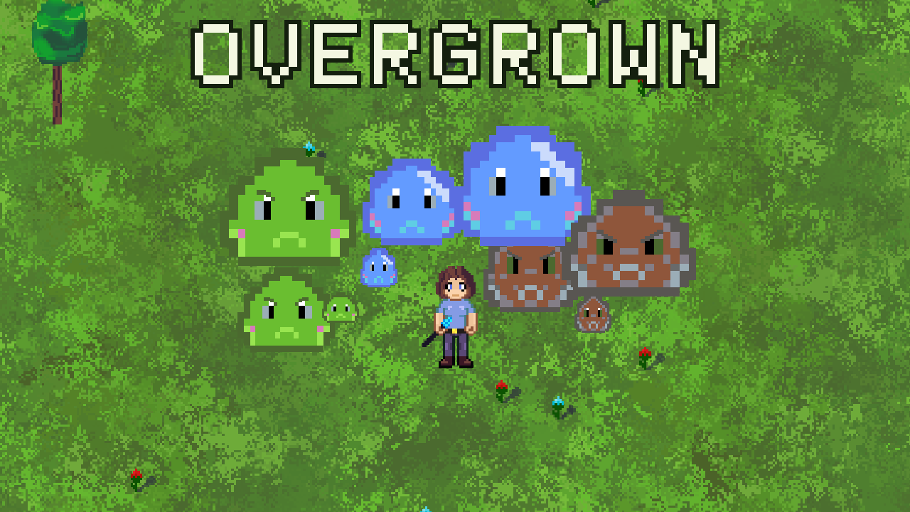
A pixel-art survivor: stack upgrades, dodge everything, outlast thirty waves and three slime kings.

Wave-based zombie survival game with a unique style inspired by Ed-Edd-n-Eddy and crappy MS-Paint doodles.

A skateboarding game with wobbly ragdoll physics
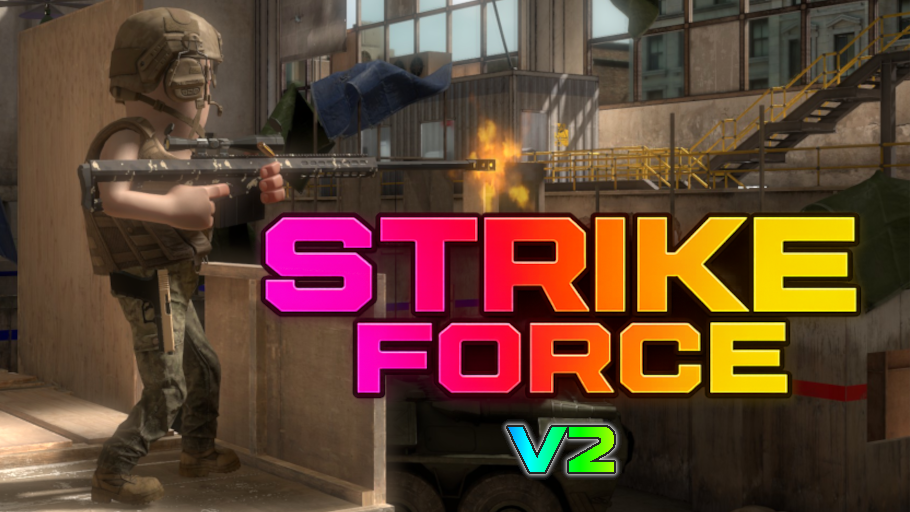

Allows you to walk around maps. You can't do anything else.

Jumper is a challenging platformer style game where you must work your way to the top. Can you do it!?
Choose your Slayer, pick your Weapon. Tear through hordes of enemies in a 3rd person action survivors-like.
Ride an elevator between randomly selected experiences, survive each one, and make it back inside before the doors close
A modern roleplay experience prioritising player freedom, open gameplay and deep gamified systems.

Work-in-progress Game Boy Advance emulator for s&box, open source!
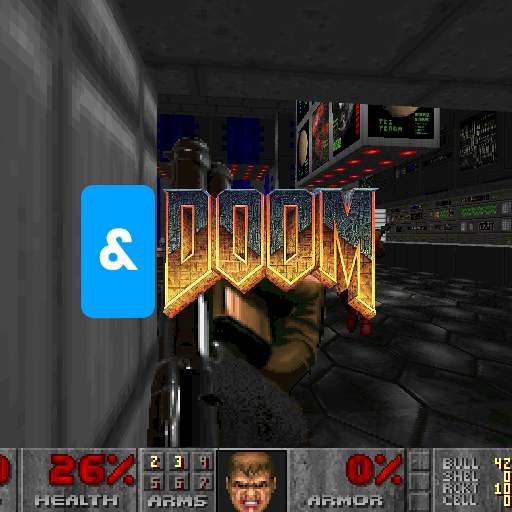

Megashot is a brutal survival shooter where you fight mutants to reclaim an abandoned, experiment-ravaged Earth.

Fling yourself around an open world to break as many bones as possible.
s&box games are playable packages published by creators on sbox.game. A game package can define its own rules, UI, maps, assets, systems, and multiplayer behavior. Some games are small experiments. Others are larger projects with active servers, regular updates, and their own communities.
The platform is built on a heavily modified version of Valve's Source 2 engine. Creators can publish games inside s&box, and s&box games can also be exported as standalone games and published elsewhere, including on Steam. Eligible games can also take part in the s&box Play Fund, which rewards creators based on player activity and other platform signals.
s&box's current platform monetization is centered on the Play Fund for games and maps, with Facepunch saying it wants to avoid pay-to-win incentives. That makes the package metrics here different from a marketplace driven mainly by in-game purchases.
Use this page as a live s&box games list and player count tracker. It sorts public game packages by live and historical signals. Player count shows how many people are playing a game right now according to the package data returned by s&box. Favorites and upvotes show longer-term interest. Terry Score is a confidence-weighted approval score based on upvotes, downvotes, and vote count. Momentum is measured by sbox.watch from local snapshots and reflects recent changes in favorites and upvotes.
Creators use s&box as a game development platform: they create game projects in the editor, build scenes and systems, and publish packages through sbox.game. They can update a package over time and reuse maps, libraries, assets, or other packages where it makes sense. The result is a mix of prototypes, multiplayer modes, remakes, experiments, and games built around one focused idea.
If you are looking for the best s&box games right now, start with live players, 24h peak, momentum, and Terry Score together. Terry Score is the closest quality signal on sbox.watch. It does not prove a game is good, but it helps separate widely liked packages from packages with weaker public feedback. The other signals answer different questions: which games are active now, which ones are gaining attention, and which ones have built up a base over time.