Let AI build in your editor. MCP server with 76 tools for scenes, assets, code and more.
s&box libraries list
s&box libraries list.
Browse public s&box libraries by recent updates, favorites, votes, momentum, and Terry Score.
- libraries
- 307
- favorites
- 1.2k
- upvotes
- 1.3k
Do not use anymore, SpriteRenderer and Sprite Resource are built-in now.
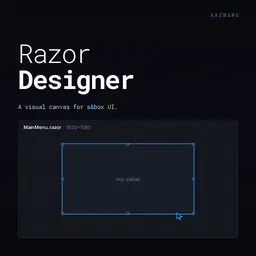
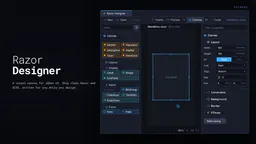
Visual UI editor for s&box. Design documents on a canvas, generate clean Razor + SCSS, preview live with one-click

No summary provided.
A custom tooltip system that lets you use razor panels instead of a string

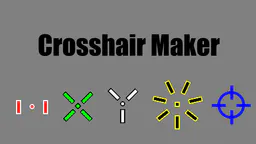
An easy-to-use crosshair builder inspired by your favorite competitive FPS.
An s&box implementation of CAMI.
Library for quickly building interior room layouts, corridors, doors, windows.
No summary provided.
Easily create damage numbers or other floating text

a c# ui library for s&box. build hud and menu panels in pure c#, no .razor required.
Quick way to add VSCodium as a supported code editor
HaxeBox lets you write code in Haxe that integrates seamlessly with s&box.
Adds a <RichText/> element which can parse text into custom Razor Panels
200,000+ icons for your S&Box UI. Built by Mint Studios. Inspired by Facepunch's sbox-iconify.

Create and animate a crosshair easely with this tool.
s&box libraries list
What are s&box libraries?
s&box libraries are reusable packages made for creators rather than players. A library might provide editor tools, UI helpers, effects, character controllers, gameplay systems, shaders, or other code and assets that can be used inside another project.
Libraries are not part of the s&box Play Fund. They are still useful to track because they can shape what gets made. A good library can save time, make a common feature easier to build, or let several projects share the same underlying system.
Reading the library list
This s&box libraries list tracks public library packages by favorites, upvotes, downvotes, Terry Score, and recent momentum. Terry Score is a confidence-weighted approval score based on upvotes, downvotes, and vote count. The numbers are only public signals. They do not prove that a library is maintained, documented, compatible with every project, or right for a specific use case.
For libraries, the package title and summary matter more than raw popularity. A small library can be useful if it solves one narrow problem well. A larger library can be useful if it becomes part of how several creators build games, maps, or tools.